
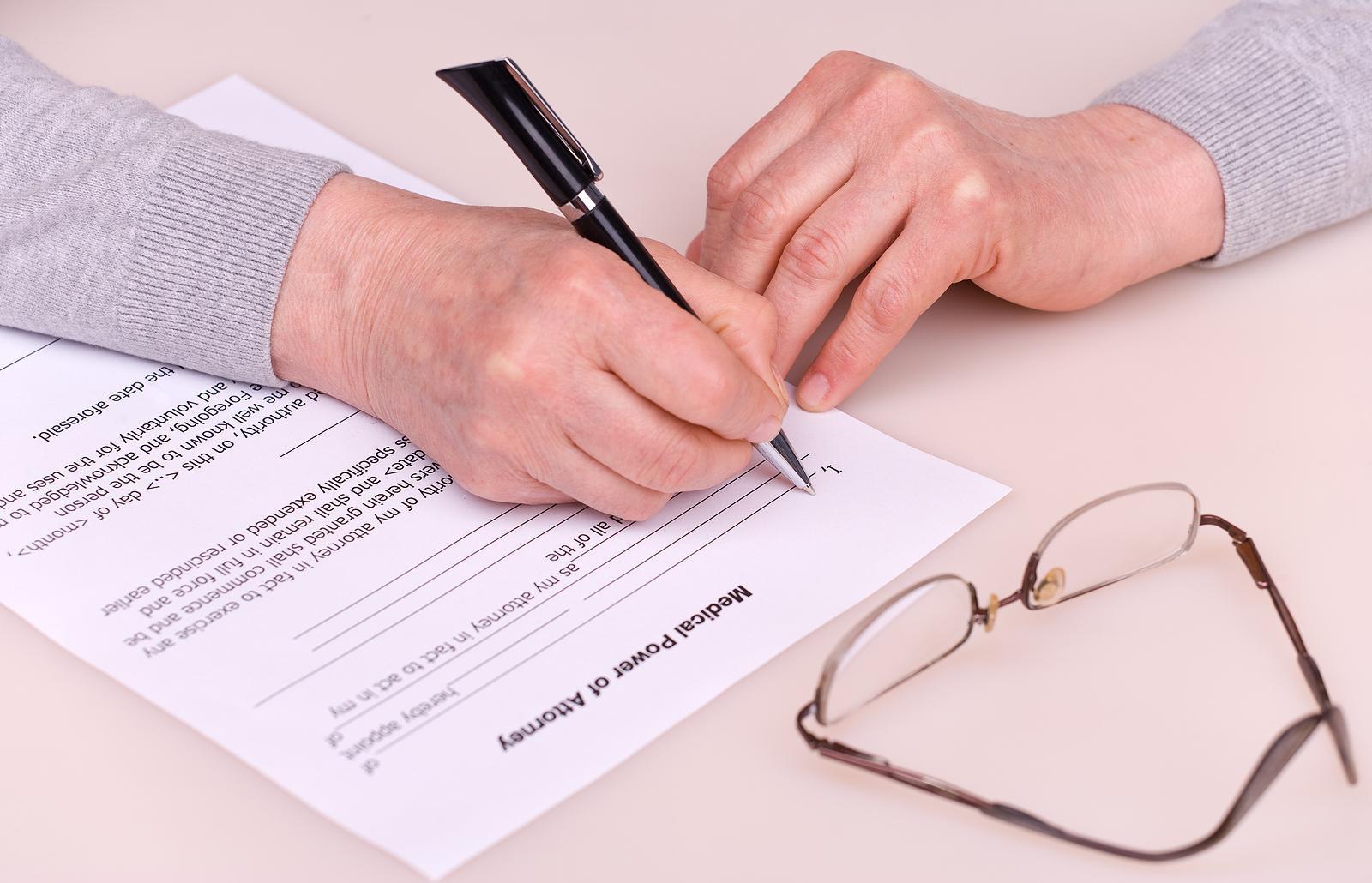
Trying to prepare for the future can be challenging, especially for older people and their families. A power of attorney (POA) is one of the most important legal documents one needs to have in their estate plan. This document allows someone to step in and make decisions if a person becomes unable to manage their own affairs.
But not every POA is automatically legal. Some things must be included to protect money, health care choices, and peace of mind.
A Clear Identification of the Principal and the Agent
The principal—the person giving authority—and the agent—the person receiving authority—must be clearly named in a valid power of attorney. To avoid confusion, it is important to use full legal names. The document should also state that the principal is of sound mind when they sign. This is especially important for older people, since their mental capacity can be called into question later.
It might also be a good idea to name a backup agent, or successor, in case the first agent can’t do their job for one reason or another.
Specific Powers Granted to the Agent
The powers granted by a power of attorney must be clearly stated. Unclear language can cause problems or make the document impossible to enforce.
For instance, the document might give permission to:
- Take care of bank accounts
- Pay bills
- Take care of investments
- Purchase or sell real estate
- Decide what to do about health care
It’s also important to note that there are different kinds of POAs, such as those for money and health care. A financial POA allows the agent to handle money and property, while a healthcare POA allows the agent to make medical decisions. The document must make it clear what powers are included.
Durability Language
Many seniors want a power of attorney that remains effective if they become incapacitated. This is called a durable power of attorney. The document must include certain words stating that it remains in effect even if the principal becomes unable to act, for it to be a valid durable POA. If this wording isn’t there, the authority might end right when it’s needed most.
Proper Signatures and Witnessing
A well-written document can still be invalid if it is not signed correctly. Most states say that the principal must sign the power of attorney in front of witnesses, a notary public, or both. The requirements are different in each state, but doing it right is essential.
This is why it’s often a good idea for seniors to sign the POA in front of a lawyer or other qualified professional to make sure all legal requirements are met. If the document isn’t signed correctly or is not notarized, banks or medical providers may not accept it.
Compliance With State Law
As mentioned, the requirements for a POA vary by state, so a document that is valid in one state may not be valid in another. With this in mind, the POA must follow the laws of the state where the principal lives, including formatting, required language, and signing procedures. If these details are left out, the document might not be valid.
Finally, it’s important to review POA documents from time to time to ensure they still comply.
Having a well-written power of attorney is one of the best ways for seniors to protect themselves. It makes sure that people they trust can step in when they need them. Ultimately, planning carefully today will make tomorrow safer, clearer, and more peaceful.
If you or a loved one needs assistance with Power of Attorney in Pell City, AL, contact The Alabama Elder Care Law Firm, LLC, today at (205) 390-0101
Sources: